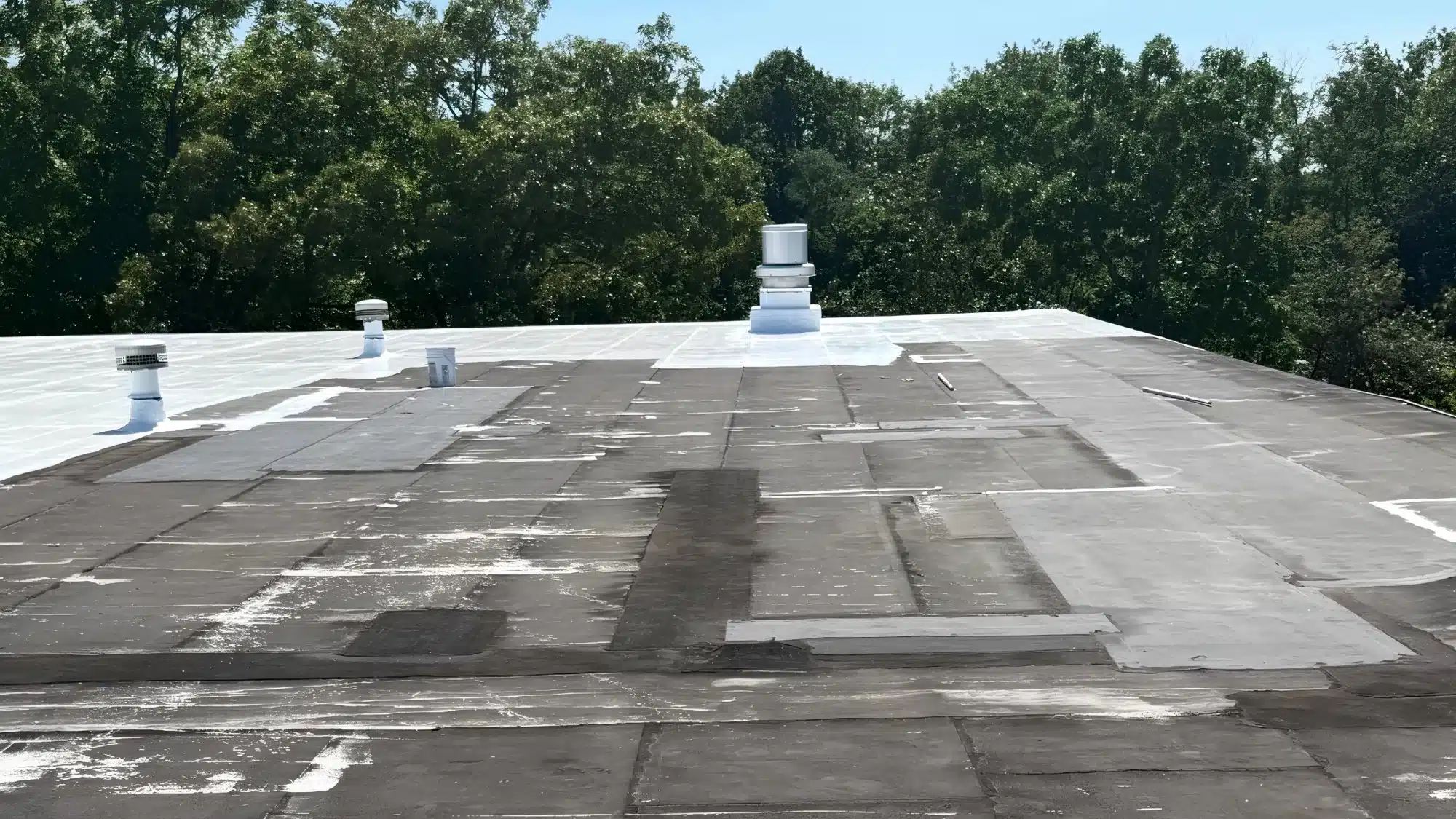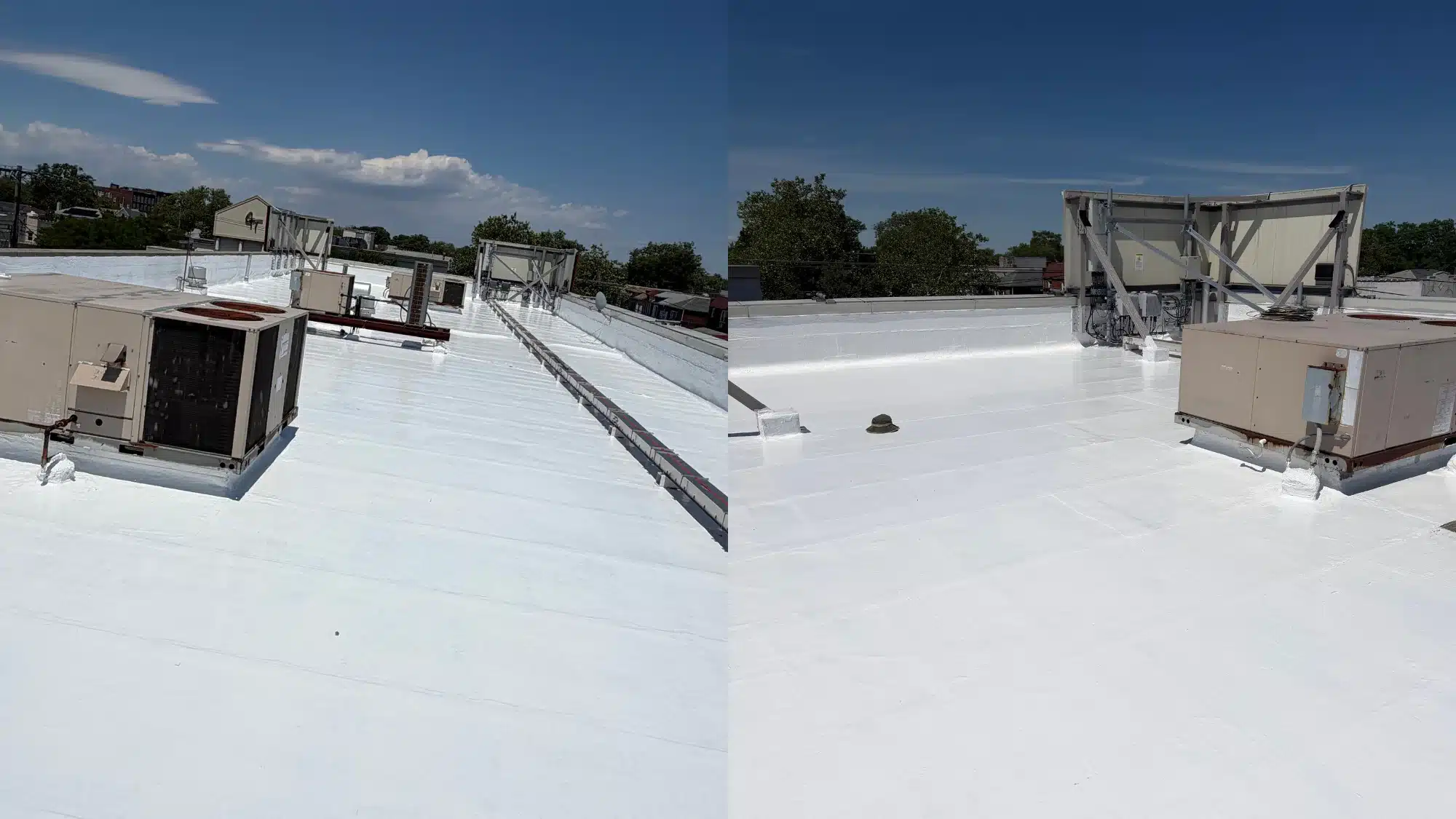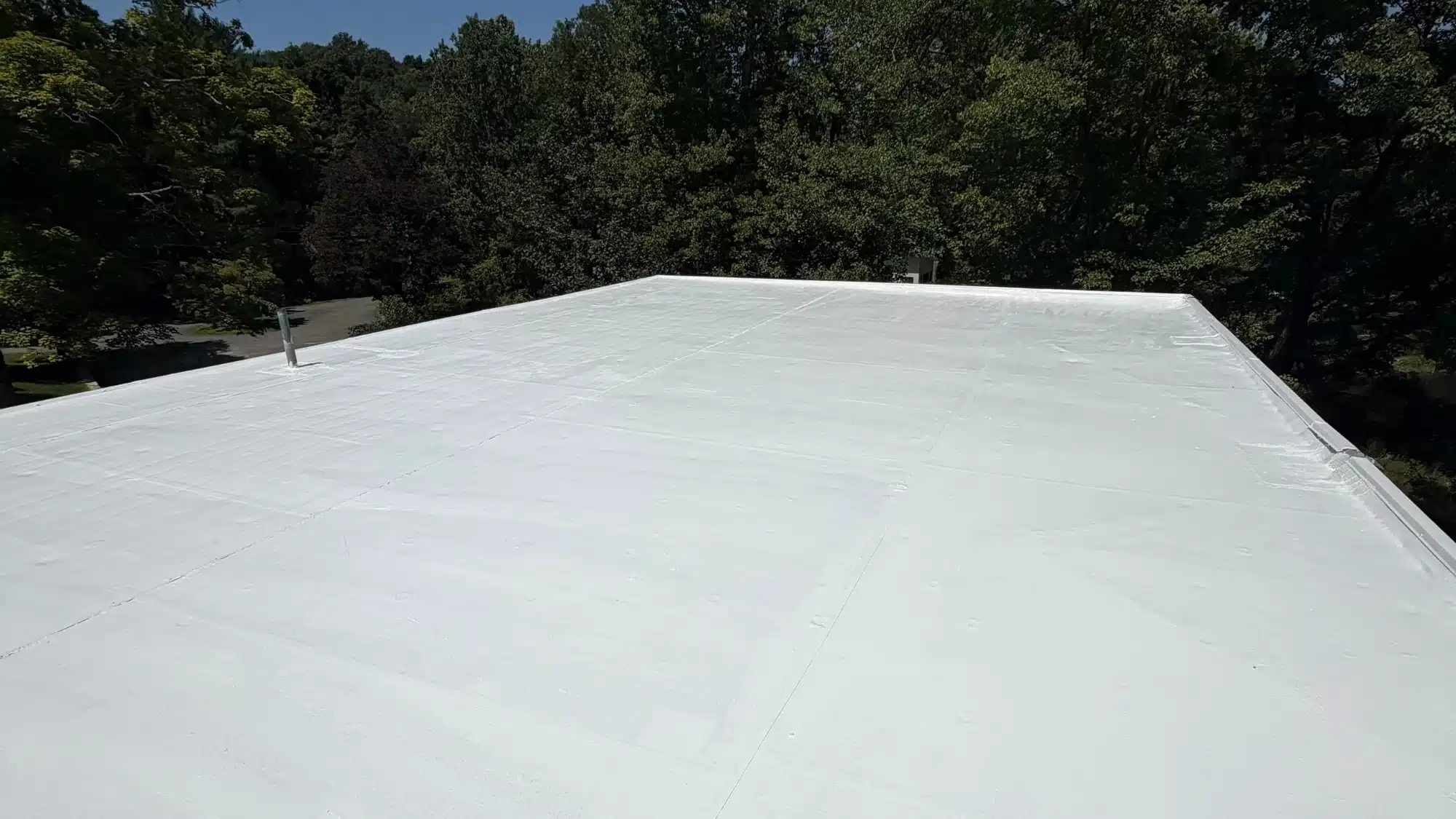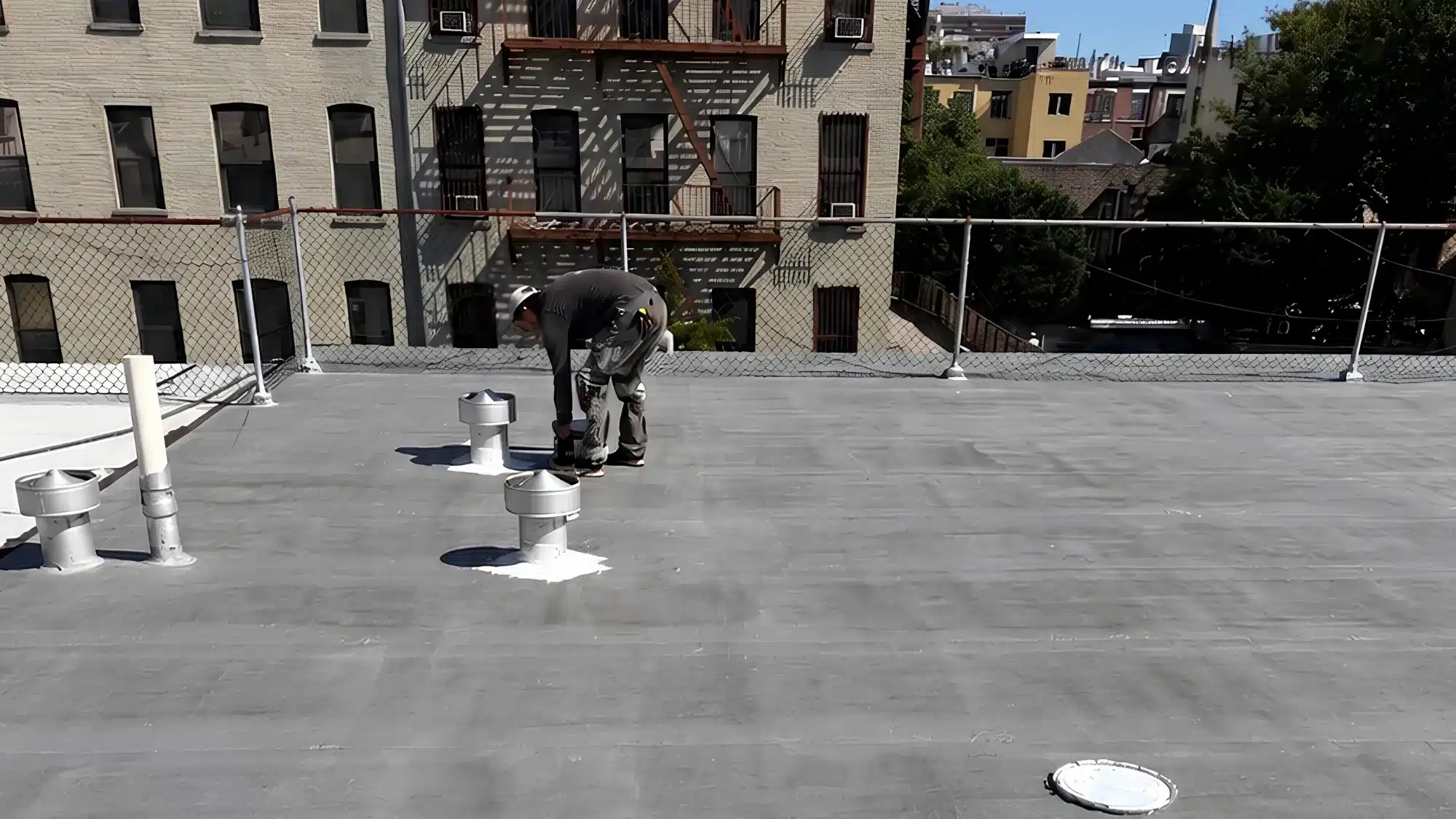
As autumn arrives in Huntington, NY, October provides an opportunity for commercial property owners to evaluate their roofs before winter weather sets in. Working with an experienced roofing contractor in NYC, such as City Island Roofing, can help businesses identify roofing concerns, plan appropriate maintenance, and address potential problems before colder temperatures, snow, and ice arrive.
Understanding the Importance of Roof Maintenance
Commercial roof maintenance plays an important role in identifying deterioration, managing existing roofing concerns, and supporting the long-term condition of a building.
Over time, commercial roofs can experience wear from weather exposure, temperature changes, standing water, and aging materials.
Regular inspections and appropriate maintenance may help property owners:
- Identify developing roofing problems before they become more extensive.
- Address drainage concerns that could contribute to water accumulation.
- Detect damaged flashing, seams, or other vulnerable roofing components.
- Evaluate conditions that may affect the roof’s expected service life.
- Plan repairs and maintenance according to the roof’s condition.
A professional roofing contractor in NYC can assess the roofing system and recommend services based on its materials, age, and existing condition.
Key Areas to Focus On
Several roofing components deserve attention during fall maintenance, particularly on commercial buildings with flat or low-slope roofing systems.
Drainage Systems
Commercial roofing systems often rely on roof drains, gutters, scuppers, and downspouts to move water away from the building.
Accumulated leaves, debris, and other obstructions can interfere with drainage and contribute to standing water.
During a professional inspection, City Island Roofing can help evaluate visible drainage concerns and determine whether cleaning, repairs, or further assessment may be appropriate.
Maintaining drainage components is especially important before winter, when snow, ice, and changing temperatures can create additional challenges.
Flashing and Sealants
Flashing and sealants help protect vulnerable areas around roof penetrations, equipment, walls, and transitions between roofing surfaces.
Over time, these components may deteriorate because of weather exposure, movement, and aging materials.
Warning signs can include:
- Cracked or deteriorated sealants.
- Loose or displaced flashing.
- Visible gaps around roof penetrations.
- Signs of moisture intrusion near roof transitions.
- Damaged seams or deteriorated roofing materials.
A qualified roofing professional can determine whether repairs, resealing, or replacement of affected components is appropriate.
Step-by-Step Maintenance Checklist
Commercial property owners can use the following checklist to organize fall roof maintenance before winter.
- Conduct a Visual Assessment: Look for visible roofing concerns from safe, accessible locations, including damaged materials or signs of water intrusion.
- Identify Debris Accumulation: Note leaves, branches, or other materials that may interfere with drainage. Arrange professional removal when roof access is required.
- Evaluate Drainage Conditions: Watch for blocked gutters, standing water, or other drainage concerns that may require attention.
- Review Flashing and Sealants: Have a qualified professional examine roof penetrations, seams, and transitions for deterioration or damage.
- Schedule a Professional Inspection: Contact a roofing contractor in NYC to evaluate the roofing system and recommend maintenance or repairs based on its condition.
Avoid walking on commercial roofs or attempting elevated repairs without appropriate training, authorization, and safety equipment.
Benefits of Professional Roof Inspections
Working with an experienced roofing professional can help commercial property owners better understand the condition of their roofing systems.
A professional inspection may provide several benefits:
- Roof Condition Assessment: Identify visible damage, deterioration, and areas requiring further evaluation.
- Maintenance Planning: Determine which roofing components may need cleaning, repair, or replacement.
- Drainage Evaluation: Assess conditions that could contribute to standing water or moisture intrusion.
- Repair Recommendations: Identify appropriate repair options based on roofing materials and the extent of damage.
- Documentation: Establish a record of observed roofing conditions and recommended work.
Although professional inspections cannot guarantee that future roofing problems will be prevented, they can provide useful information for maintenance planning and property management.
City Island Roofing offers roofing services for commercial properties, helping building owners evaluate roofing concerns and consider appropriate solutions.
Frequently Asked Questions
How often should I schedule a professional roof inspection?
Inspection frequency depends on the roofing system, its age, condition, manufacturer recommendations, and weather exposure.
Annual or semiannual inspections may be appropriate for some commercial roofs, along with additional assessments following significant storms or suspected damage.
A professional roofing contractor in NYC can help determine an inspection schedule suited to your property.
What is the ideal time for roof maintenance?
Fall is a practical time to evaluate commercial roofing systems before winter weather arrives.
However, roof maintenance should also be performed whenever damage, leaks, drainage concerns, or other problems are identified.
The appropriate timing depends on weather conditions, roofing materials, and the work required.
Can minor leaks be repaired without professional help?
Commercial roof leaks can involve roofing membranes, flashing, seams, penetrations, or other building components.
Because the visible location of a leak may differ from its source, professional assessment is recommended.
Temporary measures may not address the underlying problem, and unqualified repairs can create additional damage or safety concerns.
What signs indicate potential roof damage?
Common warning signs include:
- Water stains on ceilings or interior walls.
- Standing water that remains on a low-slope roof.
- Visible cracks, blisters, or damaged roofing materials.
- Loose flashing or deteriorated sealants.
- Moisture intrusion near rooftop equipment or penetrations.
- Repeated leaks during rainfall or snowmelt.
These signs may indicate the need for further evaluation by a roofing professional.
Is maintenance different for flat roofs versus sloped roofs?
Yes. Flat and low-slope commercial roofs often have different drainage arrangements, materials, and maintenance requirements compared with sloped roofing systems.
Low-slope roofs may require particular attention to roof drains, seams, membranes, and areas where water accumulates.
Sloped roofs may require evaluation of shingles, panels, flashing, valleys, and other components depending on the roofing material.
A professional inspection can help identify the maintenance needs of each roofing system.
Prepare Your Commercial Roof for Winter with City Island Roofing
As October brings cooler temperatures to Huntington, NY, commercial property owners can benefit from reviewing their roofing systems and addressing visible maintenance concerns before winter.
Whether your building has drainage problems, deteriorated flashing, damaged roofing materials, or signs of moisture intrusion, City Island Roofing provides professional roofing services to help evaluate your property’s needs.
If you’re searching for a dependable roofing contractor in NYC, contact City Island Roofing to discuss your commercial roofing concerns, schedule an inspection, or request an estimate for appropriate maintenance and repairs.